


375+ Free Dofollow Backlink Sites That Work (2026 List)
Get 375+ verified high-DA dofollow backlink sites for 2026. Includes proven strategies, real case study, and step-by-step guide to build quality links fast.
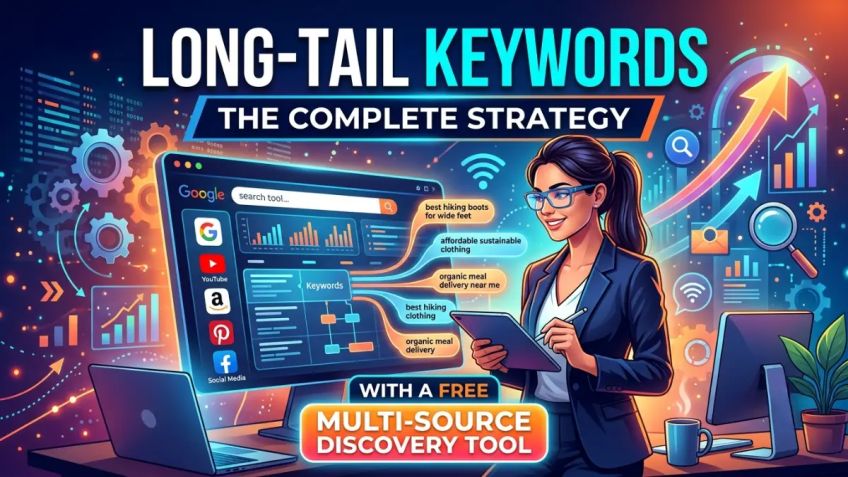
A long-tail keywords strategy targets specific, lower-volume search phrases whose intent is clear from the words, such as "best running shoes for flat feet under 5000 rupees", instead of broad head terms you cannot rank for. Find them in Google and Bing autocomplete, group them into clusters, write one complete page per cluster and track positions in Search Console.
In 2017 Ahrefs analyzed about 1.9 billion keywords in its US database and reported that 92.42% of them get ten or fewer searches a month. Google has said for years that around 15% of the searches it sees each day are ones it has never seen before. Put those two facts together and the shape of search is clear: a few head terms carry the volume, and an enormous number of specific, low-volume phrases carry the intent.
Those specific phrases are the long tail. For a small or new site they are the only keywords worth a page, because they are the only ones you can realistically rank for, and because AI assistants that answer questions need pages that answer those exact questions. This guide is the strategy: what long-tail keywords are, where to find them for free, how to choose the ones that deserve a page, how to use them on that page, and how to measure whether it worked.
A long-tail keyword is a search phrase specific enough that the searcher's intent is clear from the words alone. "SEO" tells you nothing about what the person wants. "How to fix crawled but not indexed in Search Console" tells you exactly what to write. Length is a symptom, not the definition: most long-tail phrases have four or more words because it takes that many to be specific.
| Type | Typical length | Example | Competition | Intent |
|---|---|---|---|---|
| Head | 1 to 2 words | seo | Very high | Vague |
| Body | 2 to 3 words | seo tools | High | Mixed |
| Long tail | 4+ words | free seo tools for shopify stores | Low to medium | Specific |
The name comes from the shape of the demand curve: a short, tall head of popular queries and a long, flat tail of rare ones. Individually each tail query is small. Together they make up most of what people type, which is why a site that covers a topic in depth collects traffic from hundreds of phrases it never explicitly targeted.
Head terms are now answered before the click. Type "seo" into ChatGPT, Gemini or Google's AI Mode and you get a definition, not a list of sites. A homepage optimized for a one-word term earns little from that exchange.
Specific questions work the other way. When someone asks an assistant "how do I check whether a backlink is dofollow without a paid tool", the model needs a source that answers that precise question, and it cites the page that does it most directly. Three things follow for your keyword strategy:
Keyword tools make head terms look attractive because the volume column is large. Volume you cannot reach is worth nothing. The practical comparison looks like this:
| Factor | Head term ("running shoes") | Long-tail phrase ("best running shoes for flat feet under 5000 rupees") |
|---|---|---|
| Who ranks today | Large retailers and publishers with years of links | A mix of niche blogs, forums, product pages and video |
| Chance for a new domain | Close to none in the first year | Realistic with a thorough page and a few relevant links |
| Intent | Could be research, images, a brand, a purchase | Buying, with the constraint stated in the query |
| Content needed | A category page competing on brand and range | One specific, honest comparison |
| Featured snippet and AI citation | Rare for a new site | Common when the answer is direct |
The strategy this leads to is not "one keyword per post". It is "one cluster per page": a single thorough page that targets a primary long-tail phrase and naturally covers the 8 to 25 related phrases people use for the same need. Each phrase brings its own trickle of visits, and the combined coverage tells Google what the page is about.
Not every four-word phrase is useful. The ones worth a page usually have three parts.
Words such as best, free, cheap, vs, review, alternative, checklist, template, example and a year tell you what kind of page the searcher expects. "Best" wants a comparison. "How to" wants steps. "Vs" wants a side-by-side table. Each needs a different format, and matching it is the subject of our guide on writing content for search intent.
"For beginners", "for Shopify", "under 5000 rupees", "without a plugin", "in India", "on WordPress". These narrow the audience to people whose situation matches, which is exactly the audience most likely to act on the page.
"How do I", "why does my", "what happens when", "can I". Question phrasing matches how people talk to assistants and how Google builds "People also ask" boxes. A page that uses the question as an H2 and answers it in its first two sentences is in the right shape for both.
Autocomplete suggests what people actually type, ordered by what is typed most. Google shows the largest pool; Bing surfaces phrases Google does not. Doing this by hand, letter by letter and country by country, is slow, which is what our free Long-Tail Keyword Ideas tool automates: one seed, 30 autocomplete lookups across Google and Bing, grouped into questions, comparisons, modifiers and alphabet expansions.
The questions Google shows under a result are the follow-up questions its users asked next. Open one and Google loads more. Twenty minutes of this produces a list of question-form long-tail keywords for any topic, already phrased the way people phrase them.
The eight or so "related searches" links at the foot of a results page are Google grouping queries it considers close in intent. They are strong candidates for the same page, because Google has already decided they belong together.
Ask ChatGPT or Claude: "List the 25 questions someone would ask in their first month of learning about [topic], phrased the way they would type them." The output is a draft list of long-tail questions in natural language. It is a draft: the model does not know which ones people search, so confirm each with autocomplete before you commit. Our SEO prompts for ChatGPT include the exact prompt and the check that goes with it.
Customers describe problems in words keyword tools rarely show. Read thirty reviews of a competing product, thirty forum threads in your niche and your own support inbox, and note every phrase that names a specific situation. These phrases convert well because they are the buyer's own words, and they tend to have little competition because nobody else has written them down.
This is the workflow we use for our own pages and for client content plans, built around the free tools on this site rather than a paid subscription.
The output is a set of clusters, each with a primary phrase and its variants. Each cluster is one page in your content calendar.
Finding hundreds of candidates is easy. Choosing the twenty that become pages is where most plans stall. Score each cluster against these signals before writing.
| Signal | What to check | Go ahead when |
|---|---|---|
| Intent clarity | Can you tell from the phrase what the page must be? | Always required |
| Commercial relevance | Would a buyer of what you sell type this? | Required for pages meant to earn |
| Who ranks now | Search it. Are the top ten all large brands, or a mix? | A mix, or weak pages near the top |
| Search volume | Volume from the suggestion tool or Keyword Planner | Any volume with clear intent for a new site; more for an established one |
| SERP features | Is there a featured snippet or "People also ask" box? | Yes: there is something to win |
| Your existing coverage | Do you already have related pages? | Yes: the new page joins a cluster you own |
A phrase with clear intent, a mixed results page and a cluster you already cover is the best use of your next writing day. A phrase with vague intent and ten large brands in the results is not, however large its volume.
The old rule, "keyword in the title, first paragraph and three H2s", still points in the right direction but is now read loosely. Google understands that "find long-tail keywords" and "discover long-tail phrases" mean the same thing, and exact repetition reads as spam to people and to the algorithm.
Before publishing, run the draft through the keyword density analyzer. If the primary phrase dominates the top of the list, cut it back and let the variants carry the topic. Our blog optimization checklist has the rest of the pre-publish checks.
Measure at the cluster level, not the single phrase. Three sources tell you whether it is working:
There is no fixed time to rank. A low-competition phrase on a site with some authority can move within weeks; a brand-new domain usually needs months and a few relevant links. What you can control is the input: one complete page per cluster, published and then refreshed with the phrases Search Console reveals.
Two hundred 500-word posts that each target one phrase compete with each other and rank for nothing. Twenty thorough pages that each own a cluster rank for hundreds of phrases.
"Long-tail keyword examples" wants a list. "Long-tail keyword tool free" wants a tool. The phrases look alike and need different pages. A page with the wrong format does not rank, however well it is written.
Google autocomplete is where most people stop. Bing, "People also ask", forums and your own inbox each surface phrases the others miss, and the differences between them are where the uncontested keywords are.
An Indian audience searches "best mutual funds for SIP"; a US audience searches "best index funds for retirement". Same intent, different words. Pull suggestions for the country you serve, and check Search Console's Countries report to see which that is.
Pages written before AI assistants became a traffic source often lack a direct answer in the opening paragraph, FAQ markup and recent sources. Adding those three things to an existing page is cheaper than writing a new one and usually the better first move.
| Industry | Head keyword | Long-tail alternative |
|---|---|---|
| Online store | running shoes | best running shoes for high arches under 5000 rupees |
| SaaS | project management software | asana vs clickup for a five person agency |
| Personal finance | investing for beginners | how much to invest in index funds each month on a 40000 salary |
| Health | weight loss | realistic weight loss plan for a desk worker over 35 |
| Local services | web designer | affordable web designer in jaipur for a single product shopify store |
| Travel | cheap flights | cheapest direct flights from delhi to bangkok in december |
| B2B | marketing automation | hubspot starter vs zoho marketing automation for a ten seat consultancy |
Read the right-hand column as a brief. Each phrase tells you the page format, the audience and the comparison to make, before you have written a word.
| Tool | Cost | Source of ideas | Best for |
|---|---|---|---|
| Long-Tail Keyword Ideas (SEO SMO HUB) | Free | Google and Bing autocomplete, six countries | Discovery for solo founders and small teams |
| Smart Keyword Suggestion (SEO SMO HUB) | Free | Related keywords with volume, CPC and competition when live data is connected | Checking a shortlist |
| Google Keyword Planner | Free with a Google Ads account | Google Ads data | Volume ranges for paid search planning |
| Ahrefs Keywords Explorer | Paid subscription | Proprietary index | Agencies that also need rank tracking and link data |
| Semrush Keyword Magic Tool | Paid subscription | Proprietary index | Teams with a full paid marketing stack |
| AnswerThePublic | Free tier, paid plans | Autocomplete, question focused | Question research in visual form |
The honest summary: paid platforms earn their fee when you also need rank tracking, link analysis and site audits across many clients. For keyword discovery alone, autocomplete plus a volume check covers most of the job at no cost. For video, the YouTube keyword extractor pulls the phrases a channel is already ranking for.
Long-tail keywords win for small sites because they are the phrases you can rank for, the phrases assistants cite and the phrases with the buyer's intent built in. Find them from autocomplete, "People also ask", forums and customer language; group them into clusters; write one complete page per cluster; and refresh each page with what Search Console shows it is already earning. The free Long-Tail Keyword Ideas tool handles the discovery step in a few minutes. The rest is the work, and it compounds.
Long-tail keywords are search phrases specific enough that the searcher's intent is clear from the words alone, for example "how to fix crawled but not indexed in Search Console". They usually have four or more words, lower search volume and less competition than head terms, and together they make up most of the searches people type.
A long-tail keyword strategy means choosing specific phrases you can realistically rank for, grouping related phrases into clusters, writing one thorough page per cluster and measuring the results in Search Console. It trades the large volume of head terms, which small sites rarely reach, for many smaller phrases with clearer intent and better odds.
Use autocomplete: type a seed phrase into Google and Bing and note the suggestions, then open the People also ask and related searches on the results page. Our free Long-Tail Keyword Ideas tool runs 30 autocomplete lookups per seed across both engines for six countries and groups the results into questions, comparisons, modifiers and alphabet expansions.
"Best running shoes for high arches under 5000 rupees", "asana vs clickup for a five person agency", "affordable web designer in jaipur for a shopify store" and "cheapest direct flights from delhi to bangkok in december" are long-tail keywords. Each names the situation, the constraint and the kind of page the searcher expects.
One primary phrase in the title and URL, plus roughly 8 to 25 closely related variants spread across headings, body text and the FAQ. Fewer than that misses the cluster effect; many more usually means the page is trying to cover two intents and should be split. Check distribution with the keyword density analyzer before publishing.
They are worth more. AI assistants answer head terms directly but need a specific source for specific questions, and they cite the page that answers the question most completely. Long-tail pages with a direct answer in the first paragraph, clear headings and FAQ markup are the pages those assistants quote, which brings brand exposure even without a click.
There is no fixed timeline. A low-competition phrase on a site that already has some authority can move within weeks of publishing; a brand-new domain usually needs months and a few relevant links. Record the starting position with the keyword position checker, then compare after each change rather than waiting for a date.
 SEO
Get 375+ verified high-DA dofollow backlink sites for 2026. Includes proven strategies, real case study, and step-by-step guide to build quality links fast.
 SEO
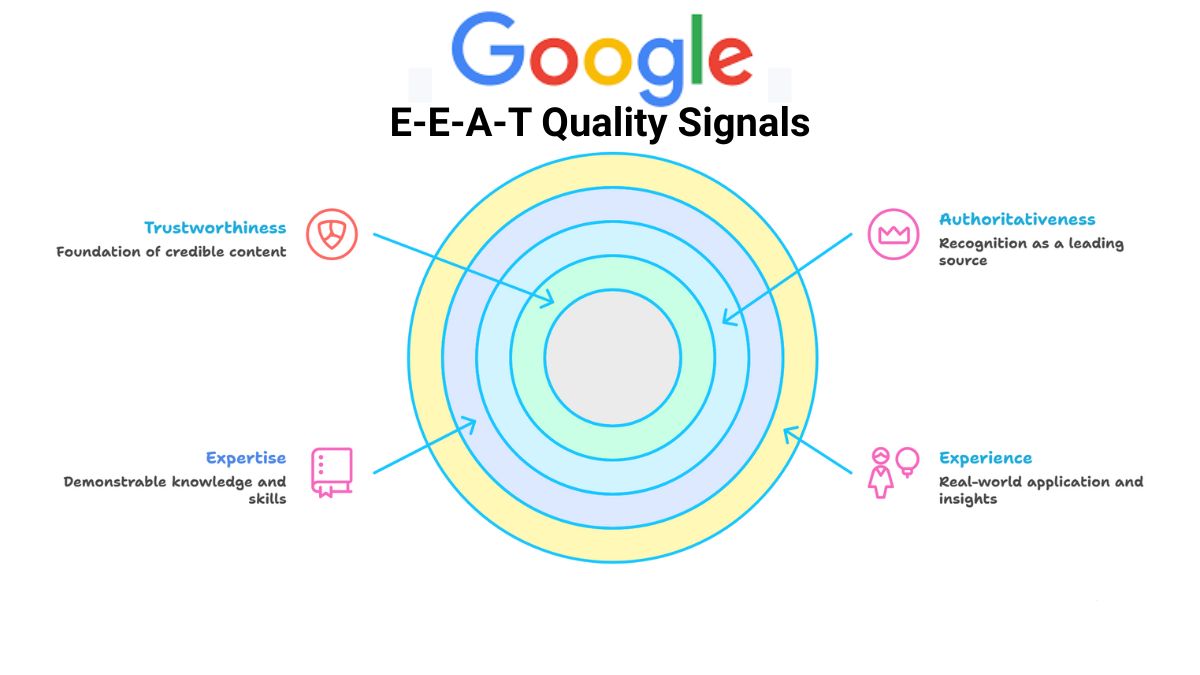
How to build Google's E-E-A-T (Experience, Expertise, Authoritativeness, Trust) for SEO rankings without backlinks. Step-by-step guide E-E-A-T for SEO Success.
 SEO
576 profile creation sites, each checked live on 2 Nov 2026, with the 243 dead or parked sites we removed and how to use profiles without spamming.